
Dubai · Yemeni cuisine
What Is Mandi? The Complete Guide to Yemeni Mandi Rice
What Is Mandi?
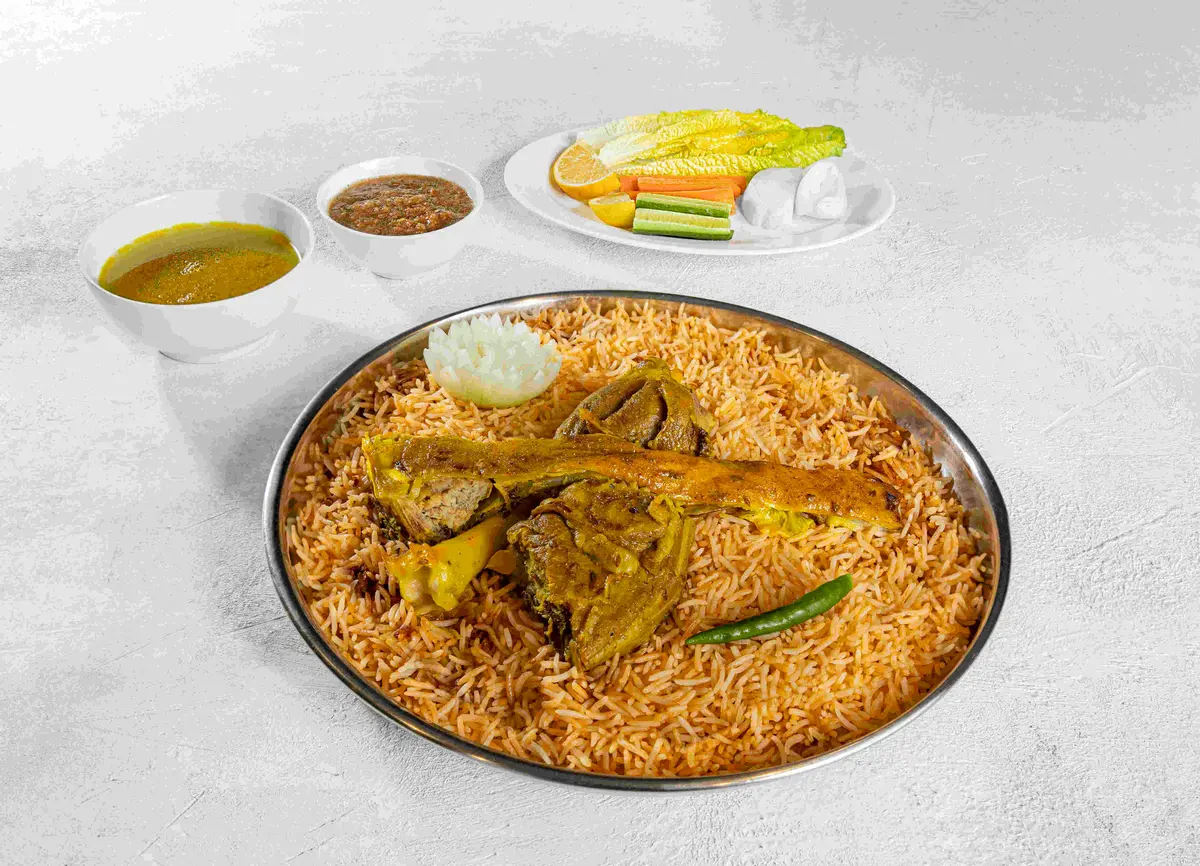
Mandi is a traditional Yemeni rice dish made of tender, slow-cooked meat — usually chicken or lamb — served over fragrant, spiced basmati rice, traditionally cooked in an underground pit oven called a "madfun." The meat is smoked and steamed simultaneously, which is what gives authentic Mandi its signature smoky flavor and fall-off-the-bone texture. It's one of the most iconic dishes of Yemeni and Arabian Peninsula cuisine, and it's become one of the most popular dishes across the UAE.
If you've searched "what is Mandi" because you saw it on a menu or heard a friend recommend it, here's everything you need to know — including how to spot the real thing.
Where Does Mandi Come From?
Mandi originates from Yemen's Hadhramaut region, though its cooking method is shared across parts of Saudi Arabia and the wider Arabian Peninsula. The name "Mandi" comes from the Arabic word nada, meaning "dew," a reference to how moist and tender the meat becomes during cooking.
Traditionally, Mandi was cooked by digging a pit in the ground, lining it with hot coals, and lowering a sealed pot of meat and rice into the pit to cook slowly for hours. The meat hangs above the rice rather than sitting in it, so the rendered juices and smoke drip down and infuse the rice below — this is the technique that separates true Mandi from dishes that only resemble it.
How Is Mandi Traditionally Cooked?
Authentic Mandi cooking follows a few defining steps:
- Marinating the meat — chicken or lamb is seasoned with a blend of warm spices: cardamom, cinnamon, cloves, black lime, and saffron are common.
- Preparing the rice — long-grain basmati rice is partially cooked in a spiced broth, absorbing color and flavor before it goes into the oven.
- Slow smoking — the meat is suspended above the rice inside a sealed vessel and cooked over low heat for several hours, allowing smoke and juices to flavor everything below.
- Resting and serving — the meat is rested before being served whole or portioned over a large platter of rice, often with a side of tomato-based daqoos sauce.
This method is different from the pressure-cooking or oven-roasting shortcuts some restaurants use — genuine Mandi takes time, and that time is what builds its flavor.
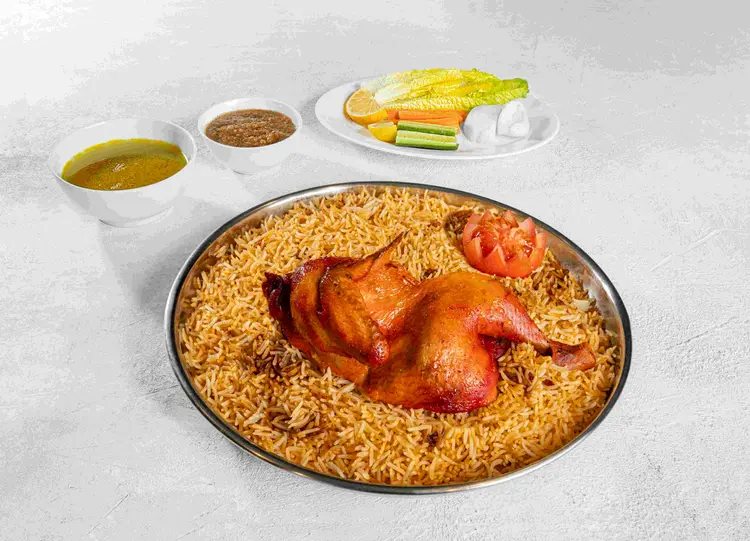
Mandi vs. Biryani: What's the Difference?
This is one of the most common questions people ask, since both dishes involve spiced rice and meat.
- Cooking method
- Mandi is smoked and steamed; biryani is typically layered and cooked with the meat and rice together (a method called dum).
- Spice profile
- Biryani tends to use a bolder, more layered spice mix, often including chili and turmeric. Mandi's spicing is warmer and more subtle, letting the smoke flavor lead.
- Rice color
- Biryani rice is often golden or reddish from spices layered throughout. Mandi rice is typically a lighter golden-brown, colored by the broth it's cooked in rather than surface spices.
- Origin
- Biryani has South Asian roots; Mandi comes from Yemen and the Arabian Peninsula.
Both are delicious in their own right — they're simply different culinary traditions.
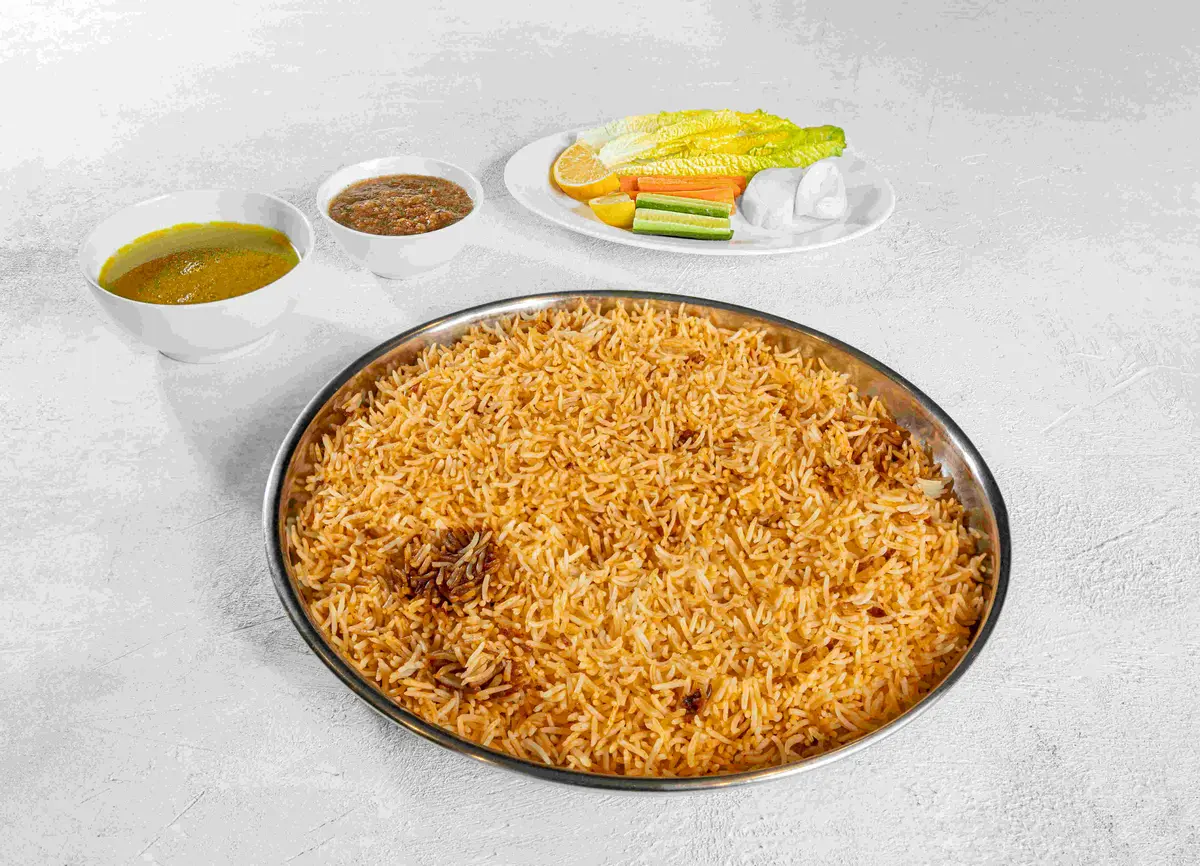
What Does Mandi Taste Like?
Expect a smoky, savory depth from the meat, balanced by warm, aromatic spices rather than heat or chili. The rice carries the same smokiness along with a subtle sweetness from the broth. It's rich but not heavy, and the tender, almost fall-apart texture of the meat is one of the dish's biggest draws.
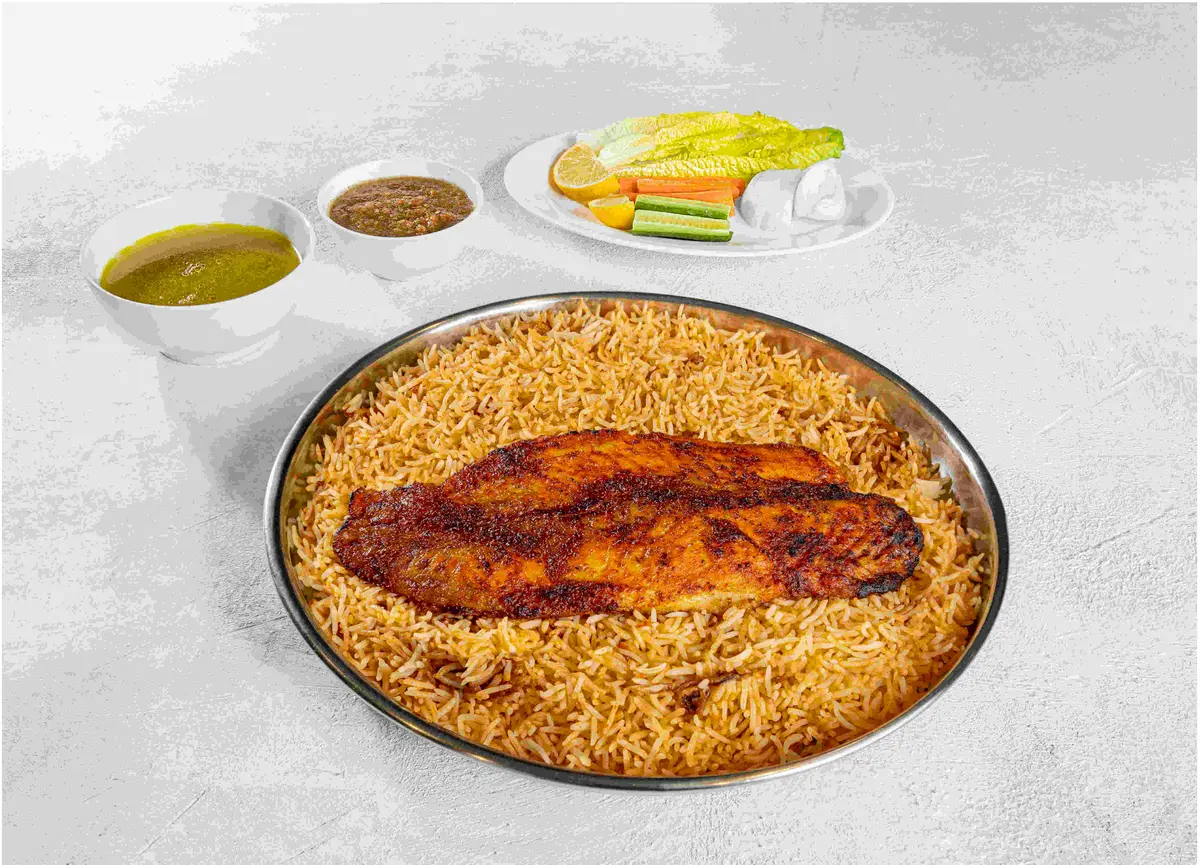
Chicken Mandi vs. Lamb Mandi
Both are popular, and the choice largely comes down to preference:
- Chicken Mandi is lighter, quicker to prepare, and a favorite for everyday meals or lunch orders.
- Lamb Mandi is richer and more traditional for larger gatherings, celebrations, and family-style sharing platters.
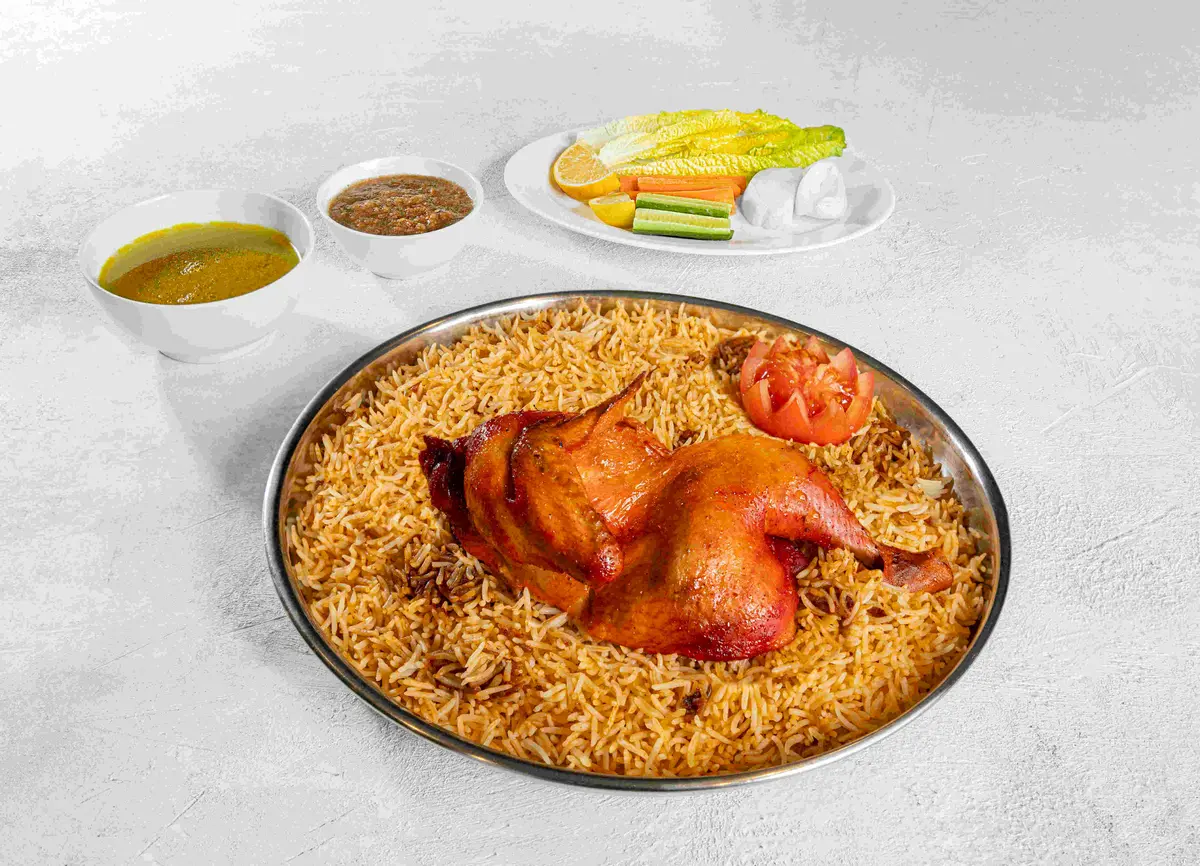
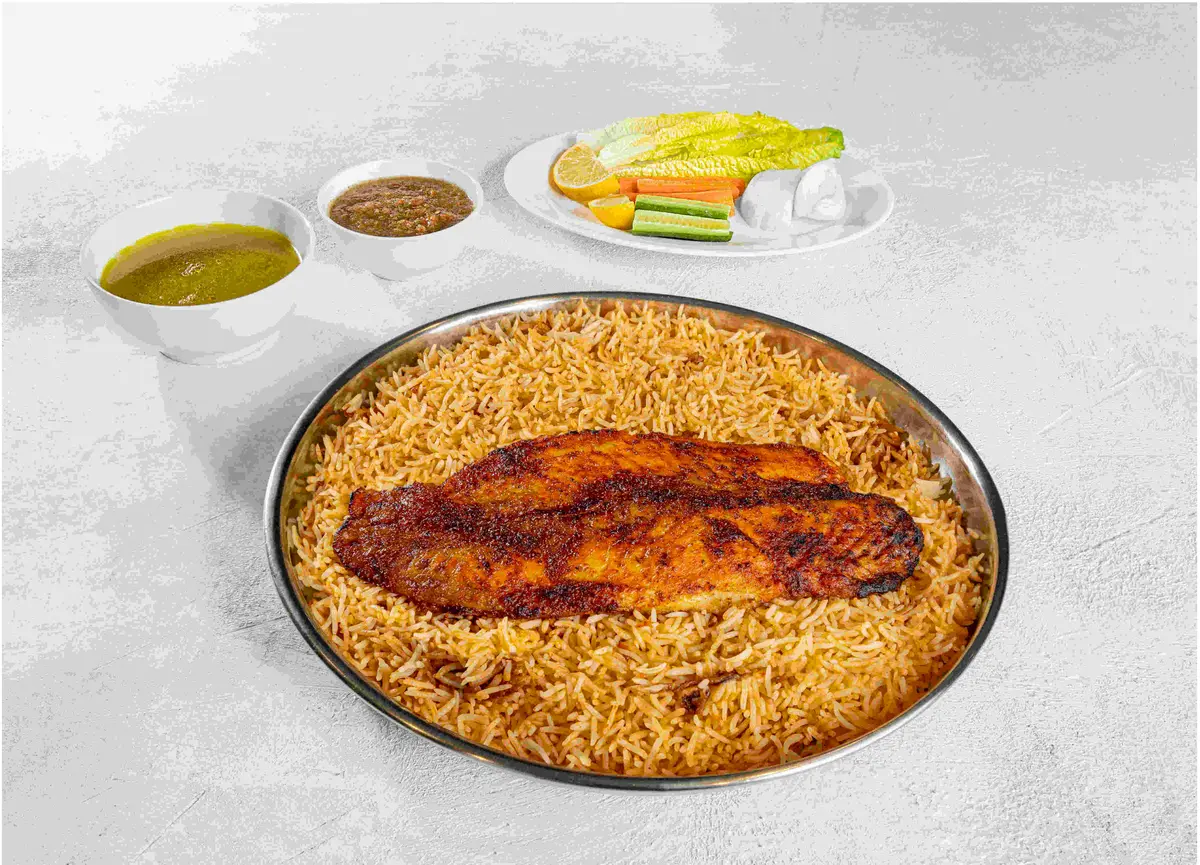
Where to Find the Best Mandi in Dubai
Not every restaurant serving "Mandi" on its menu is cooking it the traditional way — some skip the smoking process entirely, which changes the flavor significantly. At Maraheb, Mandi has been at the center of what we do for over 13 years, prepared using traditional Yemeni technique and passed-down recipes, available across our branches in Dubai, Sharjah, Ajman, Abu Dhabi, and Al Ain.
Whether you're trying Mandi for the first time or you grew up eating it, the difference traditional preparation makes is immediately noticeable — in the smoke, the tenderness, and the depth of flavor.

Frequently Asked Questions
What is Mandi made of?
Mandi is made of slow-cooked, smoked meat — usually chicken or lamb — served over spiced basmati rice. It's seasoned with warm spices like cardamom, cinnamon, cloves, and saffron, and traditionally cooked in an underground pit oven.Is Mandi spicy?
No, Mandi is not typically spicy. Its flavor comes from warm aromatic spices and smoke rather than chili or heat, making it milder than many people expect.What's the difference between Mandi and Kabsa?
Mandi is smoked and steamed in a sealed vessel with the meat suspended above the rice, giving it a distinct smoky flavor. Kabsa is usually cooked with the meat and rice together in one pot, resulting in a different texture and a more tomato-forward flavor profile.Is Mandi Yemeni or Saudi?
Mandi originates from Yemen's Hadhramaut region, though it's widely eaten and prepared across Saudi Arabia and the broader Arabian Peninsula today.What meat is used in Mandi?
Chicken and lamb are the most common choices for Mandi, with chicken being lighter and more common for everyday meals, and lamb favored for larger, more traditional gatherings.Where can I get authentic Mandi in Dubai?
Maraheb serves traditionally prepared Yemeni Mandi across its branches in Dubai, Sharjah, Ajman, Abu Dhabi, and Al Ain, using slow-cooking methods passed down through generations.