
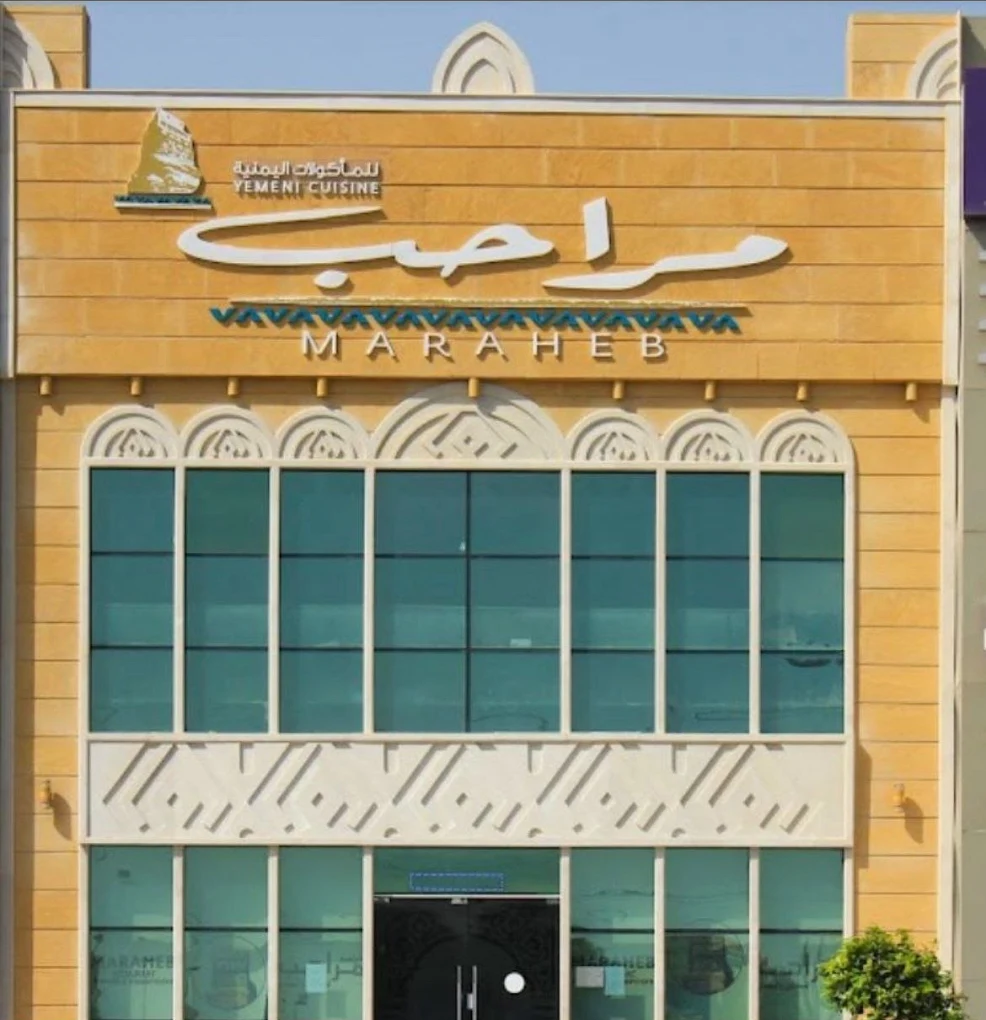
Dubai · Yemeni cuisine
What Makes a Great Arabic Restaurant in Dubai? A Guide to Authentic Yemeni Cuisine
What Makes a Great Arabic Restaurant in Dubai?
A great Arabic restaurant in Dubai should offer authentic recipes, traditional cooking methods, fresh ingredients, and a menu that reflects real regional cuisine — not a diluted, one-size-fits-all version of "Middle Eastern food." Dubai has hundreds of restaurants labeled "Arabic," but the term covers dozens of distinct regional cuisines, from Levantine to Gulf to Yemeni. Knowing what to look for makes the difference between an average meal and an unforgettable one.
"Arabic Food" Isn't One Cuisine — Here's Why That Matters
The Arab world spans more than 20 countries, and each region has its own culinary identity:
- Levantine cuisine (Lebanon, Syria, Jordan, Palestine) — known for mezze, hummus, tabbouleh, and grilled meats
- Gulf cuisine (Saudi Arabia, UAE, Kuwait) — known for Kabsa, Machboos, and rice-based dishes with dried lime and warm spices
- Yemeni cuisine — known for Mandi, Madhbi, Fahsa, and slow-cooked, smoked meat dishes with deep, aromatic flavor
When a restaurant simply says "Arabic food," it's worth asking: which tradition, specifically? A restaurant that specializes in one cuisine and does it properly will almost always outperform one trying to cover all of them at once.
What to Look For in an Authentic Arabic Restaurant
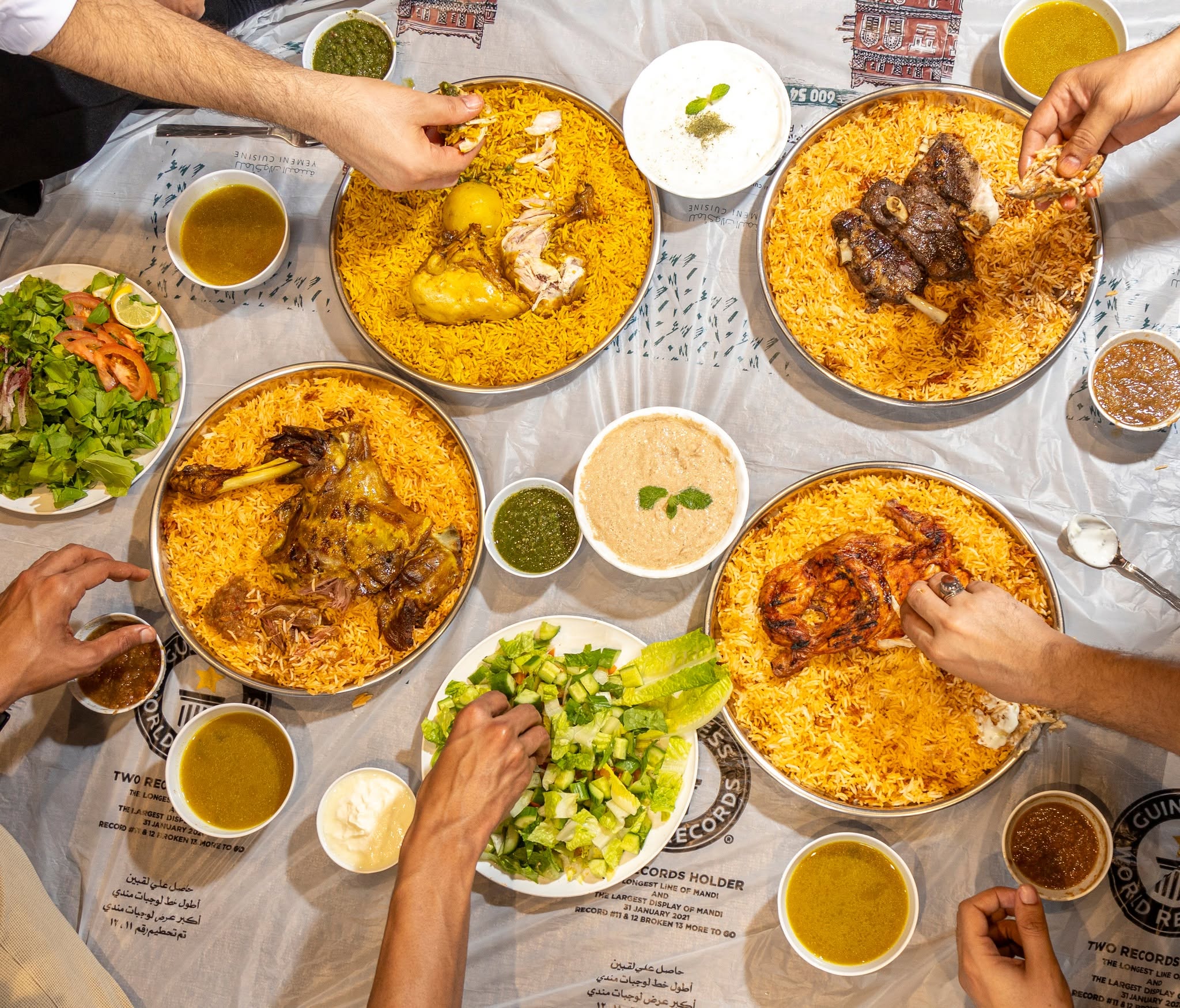
- Traditional cooking methods, not shortcuts — Dishes like Mandi rely on slow smoking in a sealed vessel — a process that takes hours and can't be replicated with a pressure cooker or standard oven. If a restaurant is cutting that time down dramatically, the flavor is being cut too.
- A focused menu over an overloaded one — Restaurants that specialize in a specific regional cuisine — rather than serving shawarma, sushi, and pizza on the same menu — tend to have deeper expertise in the dishes that matter most.
- Fresh spice blends, not pre-made pastes — Authentic Arabic cooking relies on spice combinations built in-house — cardamom, cloves, saffron, black lime — not shortcuts from a jar.
- Consistency across visits — A well-run kitchen produces the same quality dish today as it did last month. This is often the clearest sign of a restaurant that takes its cuisine seriously.
- A menu that reflects real dining culture — Sharing platters, family-style service, and generous portions are central to how Arabic food — especially Yemeni and Gulf cuisine — is meant to be eaten.
What Makes Yemeni Cuisine Distinct
Yemeni food is often grouped under the "Arabic food" umbrella, but it has a distinct identity shaped by Yemen's geography and history:
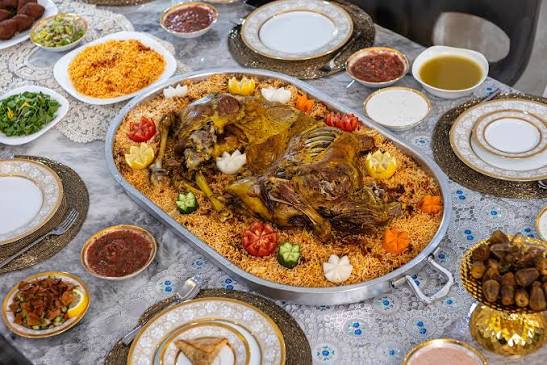
- Mandi — smoked, slow-cooked meat over spiced rice, cooked in an underground pit oven
- Madhbi — meat grilled over an open flame after marinating, giving it a charred, smoky crust
- Fahsa — a slow-cooked meat stew, often eaten with flatbread
- Saltah — a bubbling stew made with a fenugreek froth, considered Yemen's national dish
Compared to some other Arabic cuisines, Yemeni food leans on smoke and slow cooking rather than heavy spice blends or frying — the flavor comes from time, not shortcuts.
Maraheb: Yemeni Cuisine in Dubai, Done the Traditional Way
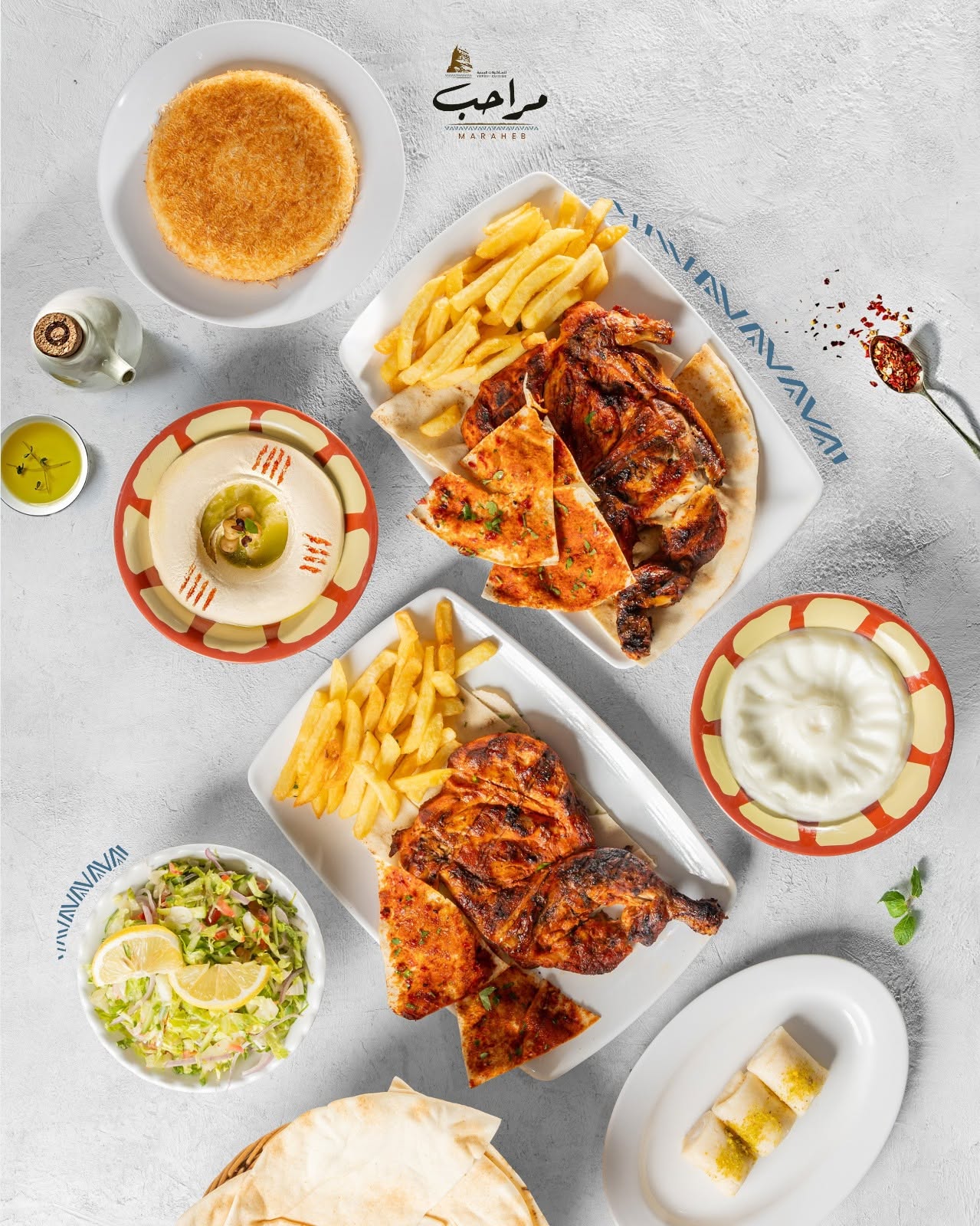
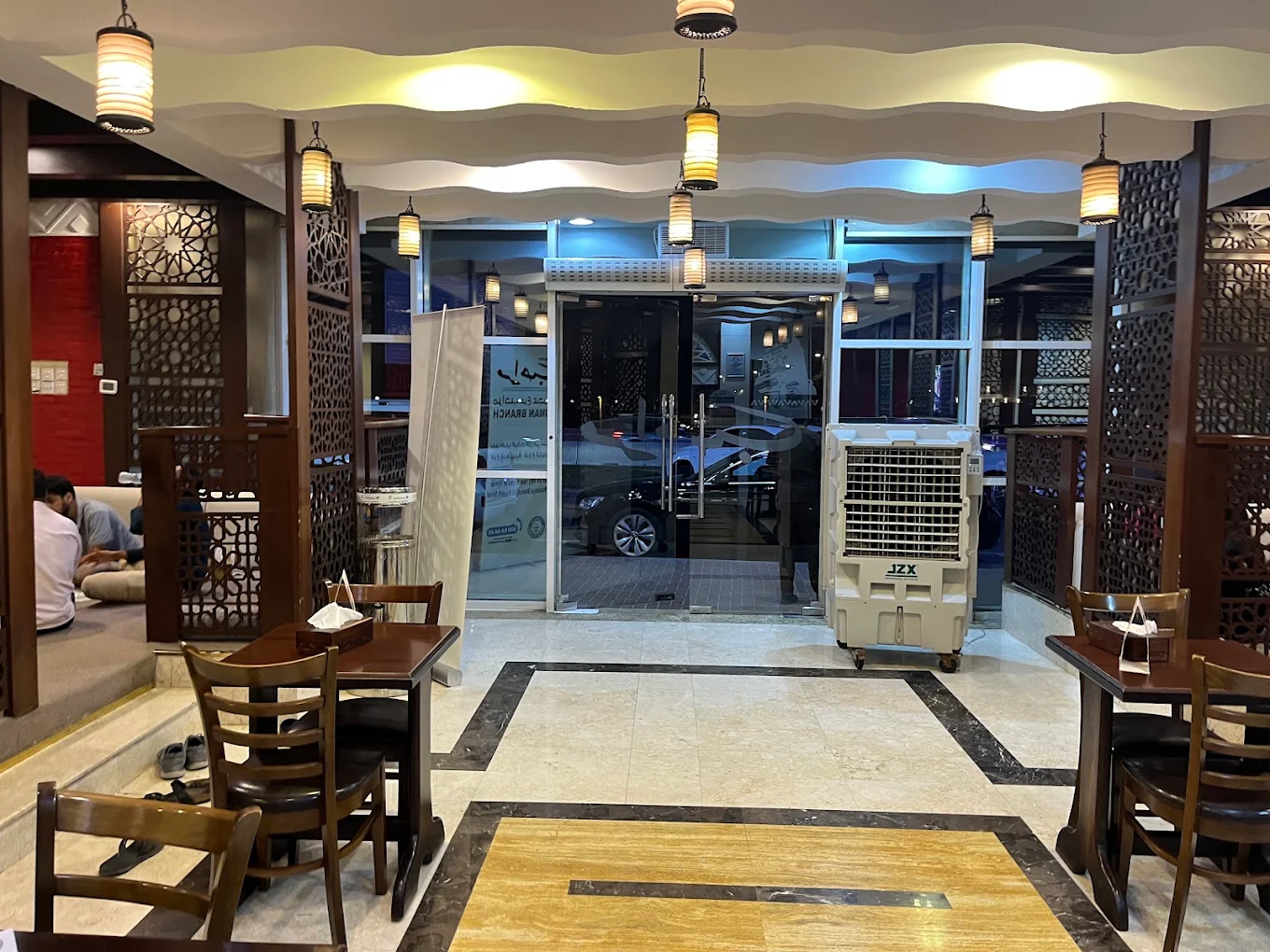
Maraheb has spent over 13 years focused on one thing: authentic Yemeni cuisine, prepared the way it's meant to be. Rather than trying to be "an Arabic restaurant" in the broadest sense, our menu is built around Yemeni dishes — Mandi, Madhbi, and more — cooked using traditional methods, across branches in Dubai, Sharjah, Ajman, Abu Dhabi, and Al Ain.
For anyone searching for an Arabic restaurant in Dubai that specializes rather than generalizes, that focus is the difference.
Frequently Asked Questions
What is the difference between Arabic food and Yemeni food?
"Arabic food" is an umbrella term covering many regional cuisines across the Arab world, including Levantine, Gulf, and Yemeni traditions. Yemeni food is one distinct cuisine within that umbrella, known for dishes like Mandi and Madhbi that rely on smoking and slow-cooking rather than the grilling or mezze-style dishes common in Levantine cuisine.What should I order at a Yemeni restaurant for the first time?
Chicken or lamb Mandi is the most iconic starting point, offering a good introduction to Yemeni cooking's smoky, slow-cooked flavor profile. Madhbi is a good second choice for those who prefer grilled, charred flavors.Is Yemeni food spicy?
Yemeni food is generally not very spicy. It relies on warm aromatic spices like cardamom, cinnamon, and cloves rather than chili heat, making it approachable for most palates.Are Arabic restaurants in Dubai halal?
Reputable Arabic and Yemeni restaurants in the UAE are halal-certified, in line with local regulations. It's always worth confirming certification directly with the restaurant if it matters to your dining choice.What makes Maraheb different from other Arabic restaurants in Dubai?
Maraheb focuses specifically on authentic Yemeni cuisine rather than a broad, generalized Arabic menu, using traditional cooking methods like pit-smoked Mandi across branches throughout the UAE.